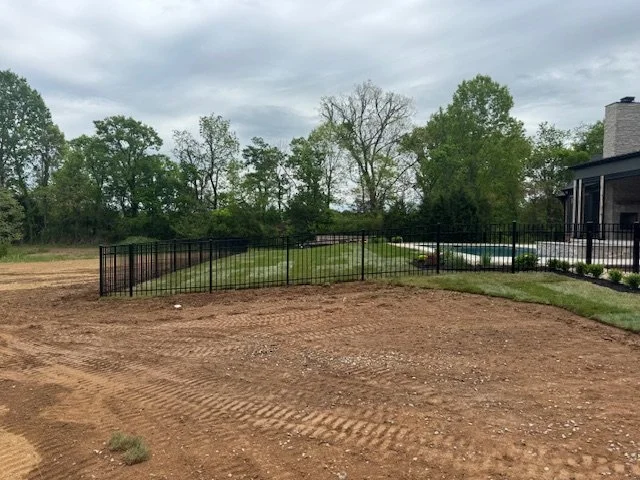
Middle Tennessee lawn along a fence line at the change of season

Sprinkler Winterization & Spring Startup in Middle Tennessee

Two appointments that protect the whole system.

Middle Tennessee winters are mild enough that people skip winterization and cold enough that skipping it eventually cracks something. Water expands when it freezes, and the parts it breaks first are the expensive ones above ground.

Fall

Blowout and backflow protection

Spring

Pressurize, inspect, adjust, schedule

Protects

Backflow device, valves, heads

Timing

Before first hard freeze

What fall winterization involves

We shut down the supply, drain or blow out the lines with compressed air at a safe pressure, clear the valves and heads, and protect the backflow assembly, which is the part most exposed to freezing air. The controller is set to its off or rain mode so it does not try to run a zone during a January thaw.

The cost of one winterization visit is a small fraction of replacing a cracked backflow device and repairing the line it feeds.

  • Supply shutdown and controlled line blowout
  • Backflow assembly drained and protected
  • Valves and heads cleared of standing water
  • Controller set for the off season

What spring startup involves

Startup is more than turning the water back on. We pressurize slowly to avoid water hammer, walk every zone, look for leaks that developed over winter, straighten and clean heads, check nozzle patterns against the current landscaping, and reprogram the controller for the season ahead.

It is also the moment when problems get caught cheaply, before a hidden leak runs all summer on your water bill.

Adjusting as the yard changes

Landscaping grows. A head that cleared a shrub two years ago now sprays into it, and a young tree has shaded a zone that used to bake. Startup is when we correct those so coverage matches the yard you have now rather than the one you had at installation.

What a blowout actually involves

Winterization is not just shutting off a valve. Water left standing in lateral lines, heads and especially the backflow device expands when it freezes, and a cracked backflow assembly is one of the more expensive irrigation repairs there is.

We shut down the supply, then run compressed air through each zone in turn at a controlled pressure until the heads run dry. Too much pressure damages heads and seals, so the process is deliberate rather than fast. The controller is set to its off or rain mode, and the backflow is drained and left in the correct position for winter.

Spring startup is a coverage check, not just a valve turn

Turning water back on is the easy part. The value of a startup visit is what gets found: heads knocked out of alignment by mowers over the winter, a broken riser, a zone that is not opening, or spray patterns now blocked by plants that grew all last season.

We pressurize slowly to avoid water hammer, run every zone, adjust arcs and nozzles, and reset the controller for spring conditions rather than leaving last August's schedule in place.

Common questions

Answers before you ask.

Is winterization really necessary in Tennessee?

Yes. Our winters bring hard freezes even in mild years, and the backflow device sits above ground where it freezes first.

When should winterization be scheduled?

Late fall, before the first sustained hard freeze. Waiting for the forecast to turn is how systems get missed.

Do you service systems you did not install?

Yes. Winterization, startup and adjustment work on existing systems regardless of who installed them.

When should winterization be scheduled?

Before the first hard freeze, which in Middle Tennessee usually means late fall. Booking early in the season gets you a better date.

Can I skip winterization in a mild year?

It is a gamble on a forecast. One hard freeze is enough to crack a backflow device, and that repair costs considerably more than the service.

Get an estimate

Ready to talk through your project?

Send the property address, what you are looking to build and a few photos of the area. We will follow up to schedule a site visit and put together a clear, detailed quote.