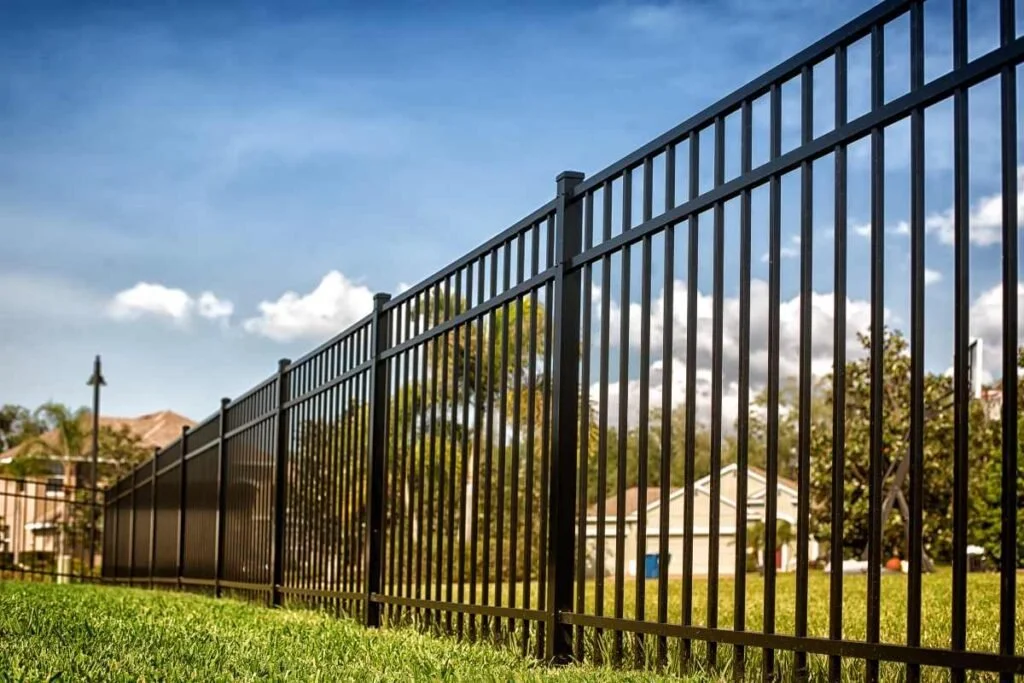
Black aluminum fence panel installed as a yard barrier

Pool Fence & Railing Installation in Middle Tennessee

Barrier requirements handled before the inspector arrives.

A new pool needs a barrier that satisfies code before it passes final inspection, and the specifics are unforgiving: height, picket spacing, bottom clearance, latch height and self closing, self latching gates. We build pool enclosures to those requirements and coordinate around the pool build schedule.

Material

Aluminum, vinyl where privacy is wanted

Gates

Self closing, self latching

Also

Deck and retaining wall railing

Timing

Coordinated with the pool build

Barrier details that decide the inspection

Pool barrier rules exist to keep a small child from getting through, over or under the fence. That translates into a minimum height, maximum vertical picket spacing, a maximum gap beneath the bottom rail, gate hardware that closes and latches on its own, and a latch mounted out of easy reach.

We build to those requirements from the start rather than adjusting after a failed inspection, and we lay the barrier out so the equipment pad, deck edge and required clearances all coexist.

  • Code height aluminum barrier fencing
  • Self closing hinges and self latching gate hardware
  • Picket spacing and bottom clearance built to requirement
  • Layout that accounts for equipment pads and deck edges

Working around a pool build

Pool projects run in sequence: excavation, shell, decking, grading, then barrier. Fencing too early means it gets damaged or blocks equipment access. Too late means the pool sits unusable waiting on inspection.

Because we run construction projects, we schedule the barrier into that sequence and keep our part from becoming the delay.

Railing for decks, steps and walls

Elevated decks, pool side steps and retaining walls often need railing on the same project. We install aluminum railing that matches the fence line so the whole exterior reads as one intentional package rather than parts from three different vendors.

The barrier requirement is a set of specifics

A pool barrier is not simply a tall fence. Local residential barrier requirements address minimum height, the maximum gap under the fence, spacing between vertical members, the absence of climbable horizontal surfaces on the outside face, and gate behavior.

Gates are where most failures happen. A pool gate has to be self closing and self latching, swing away from the pool, and carry the latch at the required height. Hardware rated below the weight of the gate leaf will sag out of alignment, and a gate that no longer latches on its own is a barrier that no longer complies.

  • Height and under fence clearance to the requirement
  • Picket spacing that resists passage and climbing
  • Self closing, self latching gates swinging outward
  • Latch height and hardware rated for the leaf weight

Common questions

Answers before you ask.

How tall does a pool fence have to be in Tennessee?

Residential pool barrier height, picket spacing and gate requirements are set by the code your local inspector enforces, and jurisdictions can differ. We confirm the requirement for your address and build to it.

Can a privacy fence serve as the pool barrier?

Often yes, when the height, gaps and gate hardware meet the barrier requirements. The gate hardware is the part most existing privacy fences fail on.

Do you install the fence before or after the pool deck?

Typically after decking and final grade, so the fence line is set at finished elevation and heavy equipment has already cleared the yard.

Do you handle the inspection requirements?

We build to the barrier specification that applies at your address and tell you what the inspection will look at. Scheduling inspection is between you and the jurisdiction.

Get an estimate

Ready to talk through your project?

Send the property address, what you are looking to build and a few photos of the area. We will follow up to schedule a site visit and put together a clear, detailed quote.