
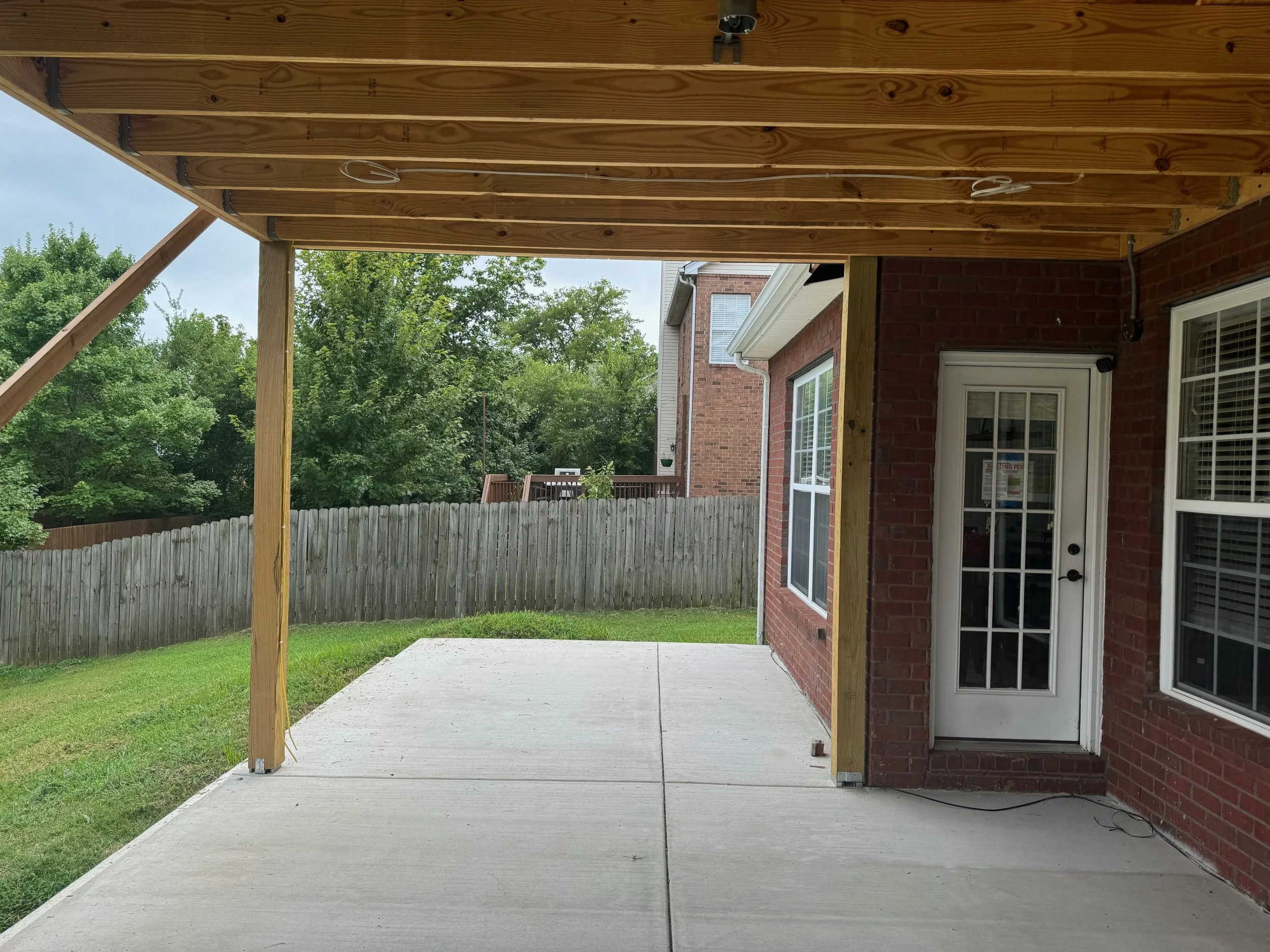
Finished patio and landscaped bed area behind a Middle Tennessee home

Drip Irrigation & Bed Watering in Middle Tennessee

Water at the root, not on the mulch.

Overhead spray is built for turf. Landscape beds want slow, low volume water delivered to the root zone, which is exactly what drip does. It uses less water, keeps foliage dry, and stops mulch from washing into the lawn every time a zone runs.

Best for

Shrub beds, foundation plantings, gardens

Benefit

Less water, less disease, less washout

Setup

Dedicated zone with pressure regulation

Pairs with

New landscaping and hardscape

Why beds belong on their own zone

Turf wants a moderate amount of water fairly often across a wide area. Shrubs and perennials want a deeper soak less frequently, delivered at the base of the plant. Putting both on the same zone means one of them is always wrong, and usually it is the beds getting sprayed just enough to keep the mulch wet and the roots dry.

A dedicated drip zone with proper pressure regulation and filtration solves it, and it typically uses a fraction of the water the equivalent spray coverage would.

  • Inline emitter tubing routed through the bed
  • Pressure regulation and filtration at the zone
  • Emitters matched to plant size and spacing
  • Tubing hidden under mulch, out of the mower path

Foundation plantings and Middle Tennessee clay

Clay soil accepts water slowly. Blast it with spray and most of it runs off before it penetrates, which is how shrubs sitting in supposedly watered beds still end up drought stressed. Drip applies water slowly enough that clay can actually take it in.

It also keeps water off siding and brick, which matters right against the foundation.

Adding drip to an existing system

If you already have irrigation, converting a bed zone to drip or adding a new drip zone is straightforward when the controller has a spare station and the water supply supports it. We check both before quoting.

Why beds should not be on lawn heads

Spray heads throw water over the top of a planting bed. Much of it lands on leaves, evaporates in July heat, or hits mulch and runs off, and the water that does reach the soil arrives at a rate the bed cannot absorb. Wet foliage overnight also encourages disease on shrubs and perennials.

Drip puts water at the root zone slowly enough to soak in. Runtimes are longer and frequency is lower, which suits shrubs and foundation plantings far better than the short cycles a lawn wants. That is why beds belong on their own zone even when they sit right next to the turf.

Common questions

Answers before you ask.

How long should a drip zone run?

Drip zones run considerably longer than spray zones because they deliver water slowly. We set a starting schedule and show you how to adjust it as the season changes.

Does drip tubing clog?

It can without filtration, which is why we install a filter and pressure regulator at the zone. Well maintained drip runs for years.

Can drip water a vegetable garden?

Yes, and it is well suited to it. Row spacing and emitter placement are set for what you are growing.

Does drip tubing need to be buried?

It is typically run under mulch rather than deep in the soil, which keeps it accessible for adjustment as plantings change while staying out of sight.

Get an estimate

Ready to talk through your project?

Send the property address, what you are looking to build and a few photos of the area. We will follow up to schedule a site visit and put together a clear, detailed quote.